Music has always served as a universal language that transcends geographical, linguistic, and political boundaries. Whether played on ancient flutes or modern synthesizers, music captures the spirit and stories of a culture. Around the world, people celebrate music not just for entertainment but as a sacred part of rituals, ceremonies, and everyday life. From weddings to funerals, from agricultural harvests to religious festivals, music plays a central role in how communities come together and preserve their identity.
Every culture has its own way of expressing joy, sorrow, and community through sound. Indigenous rhythms, folk traditions, and classical compositions reveal how societies evolve while maintaining a connection to their roots. The ways people celebrate music vary widely, yet the emotional power it holds remains universal. Exploring different cultural approaches to music can deepen our understanding of global unity and artistic diversity.
African Tribes and the Spirit of Rhythm
In many African cultures, music is deeply tied to storytelling, healing, and communal expression. Drumming, in particular, is considered a spiritual language that can communicate with ancestors. West African communities often celebrate music through the djembe, a hand drum used in rituals, festivals, and social gatherings. Each beat holds meaning, helping to pass down oral histories and sacred knowledge through generations.
Dance and music go hand in hand in these traditions. In many villages, the entire community participates in celebratory dances that honor seasonal changes, harvests, or rites of passage. Instruments made from natural materials, such as gourds, wood, and animal skins, embody the land’s spirit. African cultures celebrate music with intense emotion and rhythm, creating an immersive experience that connects body, soul, and ancestry.
India’s Spiritual and Classical Musical Legacy
India’s musical traditions are steeped in ancient spiritual texts and classical frameworks. Celebrated forms such as Hindustani and Carnatic music have been passed down for centuries through the guru-shishya (teacher-student) tradition. Music here is not just entertainment—it is often a pathway to spiritual elevation. Ragas, or melodic frameworks, are designed to evoke specific emotions or times of day, creating a symbiotic relationship between the artist and nature.
Festivals across India demonstrate the country’s passion for music. Events like Navratri include days of devotional singing, drumming, and dancing, while classical music festivals in cities like Chennai and Varanasi draw thousands of enthusiasts. In rural villages and modern urban centers alike, people continue to celebrate music as a sacred and essential form of self-expression and communal bonding.
Latin America’s Fusion of Indigenous and Colonial Sounds
Latin American countries boast some of the world’s most vibrant and eclectic musical cultures. These regions blend Indigenous rhythms, African beats, and European melodies to form unique genres such as samba, salsa, tango, and mariachi. Music often reflects political movements, social identity, and communal pride, making it a powerful tool for unity and resistance. People in these cultures celebrate music by gathering for dance parties, parades, and festivals that last for days.
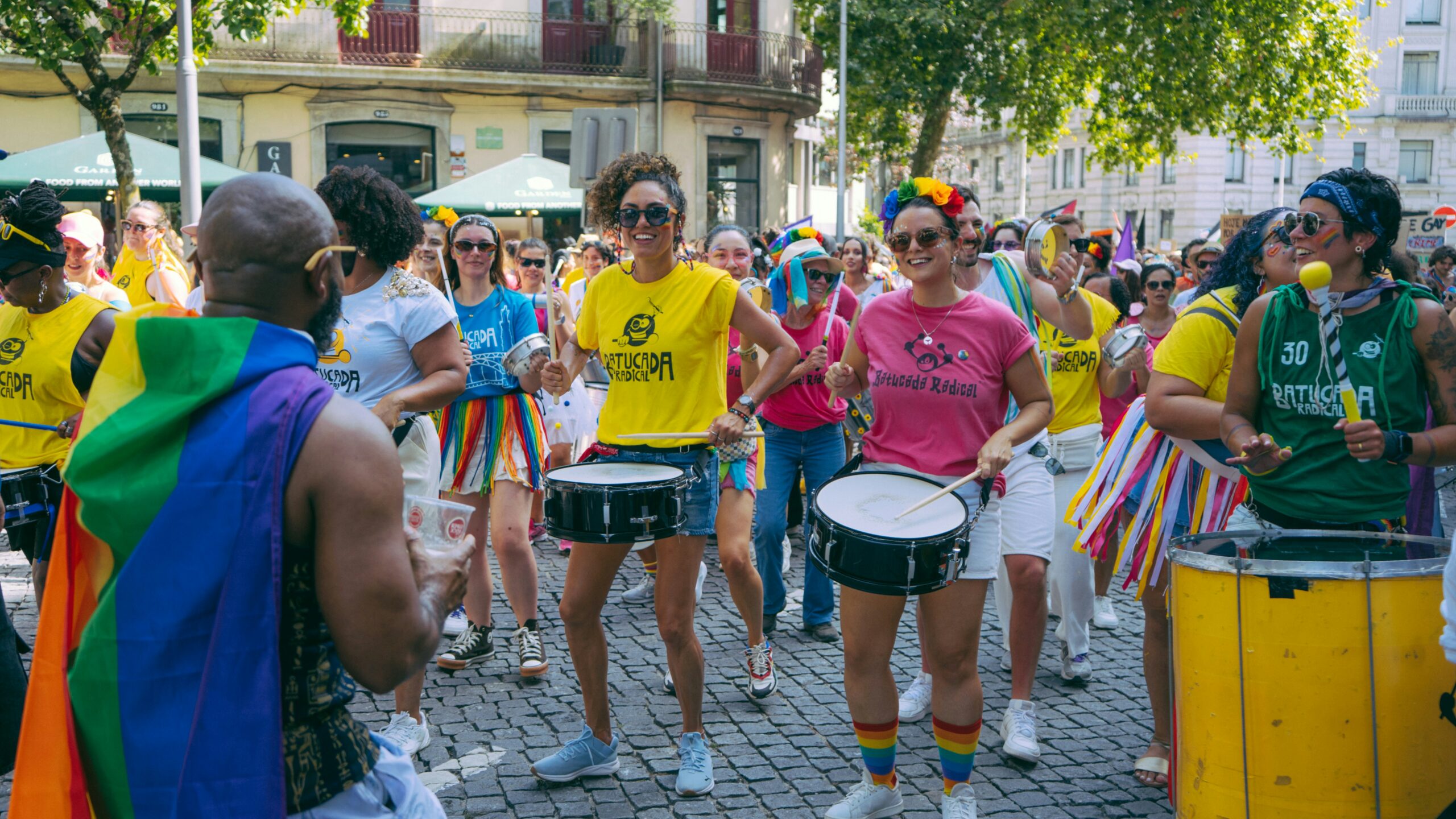
In Brazil, Carnival is one of the most famous examples of musical celebration, where samba schools compete in grand parades filled with live percussion and energetic dance. In Mexico, traditional mariachi bands play heartfelt ballads at both joyful and solemn occasions. Each instrument—from congas to charangos—tells a story of cultural blending and survival. Latin Americans celebrate music with color, motion, and an infectious energy that draws everyone into the rhythm.
The Depth of Native American Musical Rituals
Native American cultures regard music as a sacred act often intertwined with ceremony, prayer, and the natural world. Flutes, drums, and vocal chants serve as conduits for spiritual communication and healing. Songs are passed down through oral tradition, preserving the wisdom of elders and the sacred stories of tribes. Each tribe may have its own style, but they all share a reverence for music’s power to connect the living with the spiritual realm.
Powwows offer a chance to celebrate music with drum circles, dance regalia, and inter-tribal songs that promote unity and identity. These gatherings also serve as cultural preservation hubs where younger generations learn traditional songs and dances. Rather than being seen as mere performance, music in Native American communities is a living ritual—an act of honoring heritage, spirit, and connection to the Earth.
Europe’s Classical Roots and Contemporary Celebrations
Europe has a rich tradition of classical music, opera, and folk music that continues to shape global music culture. Composers such as Beethoven, Mozart, and Chopin laid the foundation for orchestral and operatic works that remain celebrated today. However, music in Europe is not confined to the concert hall. Countries from Ireland to Greece boast lively folk traditions with fiddles, bagpipes, and accordions central to community life.
Contemporary Europe also hosts some of the world’s largest music festivals, such as Glastonbury in the UK and Tomorrowland in Belgium. These modern celebrations of music attract global audiences, blending ancient and new in innovative ways. Europeans continue to celebrate music by embracing both their historical roots and their role as trendsetters in the international music scene. Whether through a quiet opera performance or a thumping electronic dance festival, Europe’s love for music remains deeply ingrained in its culture.
Middle Eastern Music’s Connection to Poetry and Devotion
Music in Middle Eastern cultures often intertwines with poetry, mysticism, and religious devotion. Instruments like the oud, qanun, and ney carry a distinct tone that reflects centuries of artistic tradition. Arabic music often employs complex maqams, or melodic modes, that allow for emotional and improvisational expression. Musicians celebrate music as a medium that captures beauty, sorrow, and divine longing in an intensely poetic manner.
Sufi traditions, especially in countries like Turkey and Iran, include the whirling dervishes whose spinning dance is accompanied by devotional songs meant to induce spiritual ecstasy. Even in secular spaces, Middle Eastern music evokes a sense of timelessness and soulfulness. From bustling markets to private gatherings, people celebrate music as an intimate and communal experience that transcends everyday life.