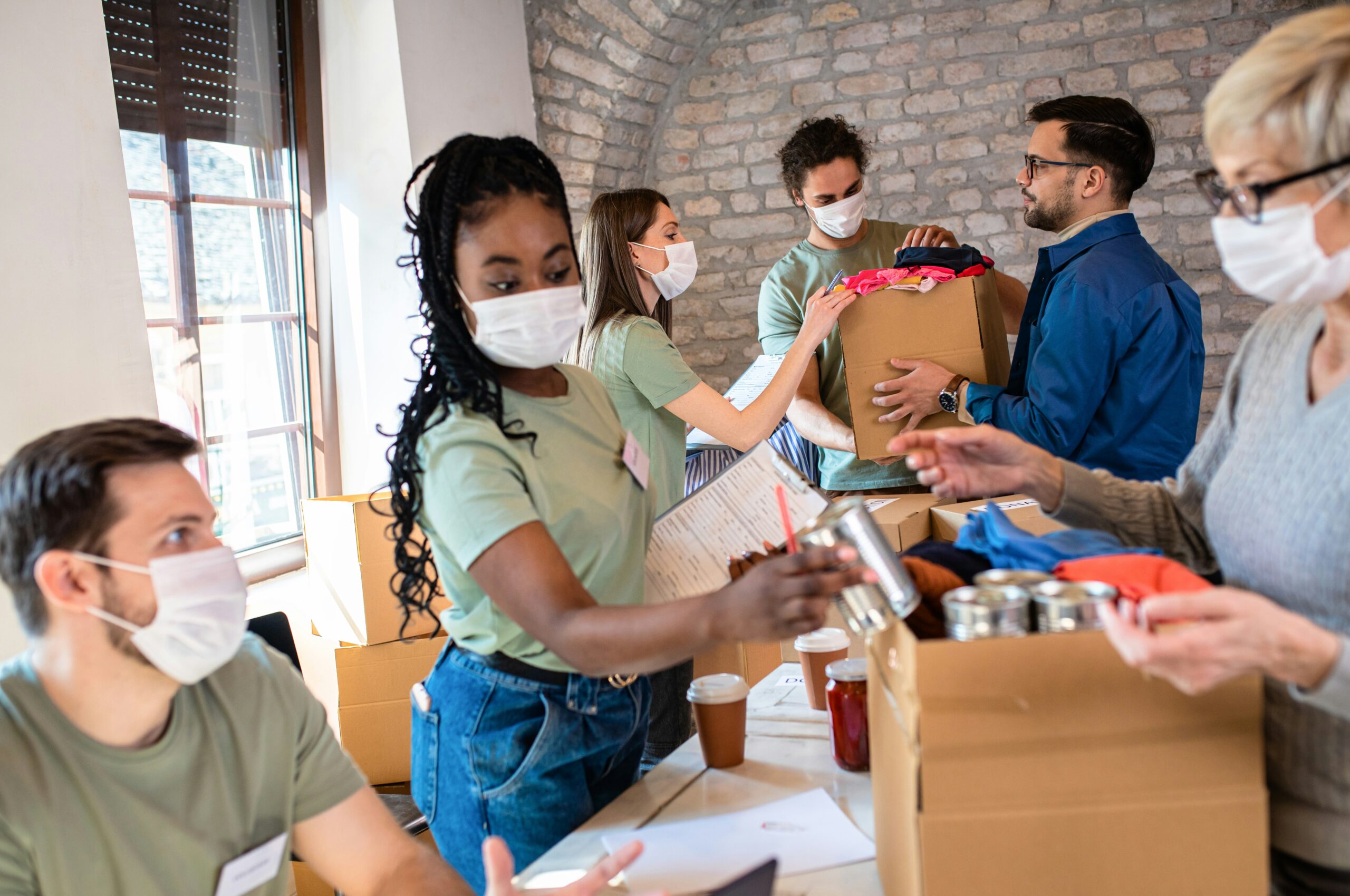
Volunteering is more than an act of kindness. It is a meaningful way to improve mental health while making a positive difference in others’ lives. Many people volunteer to support a cause they care about, but they often discover unexpected personal benefits along the way. Moreover, volunteering creates opportunities to connect with people, learn new skills, and develop a greater sense of purpose. As a result, both volunteers and the communities they serve can experience lasting improvements in overall well-being.
The Connection Between Volunteering and Mental Health
Volunteering can have a powerful impact on mental health. When people spend time helping others, they often feel a sense of accomplishment and fulfillment. Additionally, acts of kindness can trigger the release of feel-good chemicals in the brain, such as dopamine and serotonin. These natural responses can improve mood and reduce feelings of stress or sadness.
Furthermore, volunteering helps individuals focus on something larger than their own challenges. Instead of dwelling on personal worries, volunteers can direct their energy toward meaningful activities. Consequently, this shift in focus often reduces anxiety and promotes a more positive outlook on life. Over time, regular volunteer work can contribute to greater emotional resilience and mental strength.
Reducing Stress and Combating Loneliness
Stress is a common part of modern life, but volunteering can provide a healthy way to manage it. By participating in community projects or helping those in need, individuals can take a break from daily pressures. At the same time, engaging in purposeful activities creates a sense of balance and satisfaction that may lower stress levels.
In addition, volunteering is an excellent way to combat loneliness and social isolation. Many volunteer opportunities involve teamwork and interaction with others. Therefore, volunteers can build friendships and expand their social networks. These meaningful connections often provide emotional support and help people feel more connected to their communities.
Building Confidence and Personal Growth
Volunteering also helps people develop confidence and self-esteem. When individuals see the positive impact of their efforts, they often gain a stronger belief in their abilities. Moreover, completing tasks and overcoming challenges during volunteer work can create a sense of achievement that boosts self-worth.
At the same time, volunteering encourages personal growth by exposing people to new experiences and perspectives. Whether someone is organizing events, mentoring youth, or assisting at a food bank, they can learn valuable skills. As a result, volunteers often become more adaptable, empathetic, and capable in both their personal and professional lives.
Supporting the Well-Being of Others
While volunteers gain many benefits, the people they help often experience significant improvements in their quality of life. For example, volunteers provide support to individuals facing challenges such as poverty, illness, or social isolation. Consequently, these acts of service can offer comfort, encouragement, and practical assistance to those who need it most.
Additionally, volunteering strengthens communities by addressing local needs and creating positive change. Community programs often rely on volunteers to deliver essential services and resources. Therefore, volunteer efforts can improve access to education, healthcare, food, and social support, contributing to the overall well-being of many individuals.
Encouraging a Lifelong Habit of Giving
Starting a volunteer journey can be simple, and the rewards can be substantial. Whether someone volunteers a few hours each month or participates regularly, every contribution matters. Moreover, even small acts of service can create meaningful change for both the volunteer and those receiving support.
Ultimately, volunteering is a powerful way to enhance mental health while improving the well-being of others. By reducing stress, building confidence, fostering social connections, and strengthening communities, volunteering creates benefits that extend far beyond the initial act of service. Therefore, making time to help others can be one of the most rewarding investments a person can make in their own happiness and in the welfare of society.
Creating Stronger Communities
Volunteering brings people together from different backgrounds and experiences. As individuals work toward shared goals, they build trust, understanding, and cooperation. Furthermore, these relationships help create a stronger sense of community and belonging for everyone involved.
Likewise, communities with active volunteers often experience greater social cohesion and civic engagement. Residents become more invested in local issues and are more likely to support one another. As a result, communities become more resilient and better equipped to face challenges and achieve long-term success.