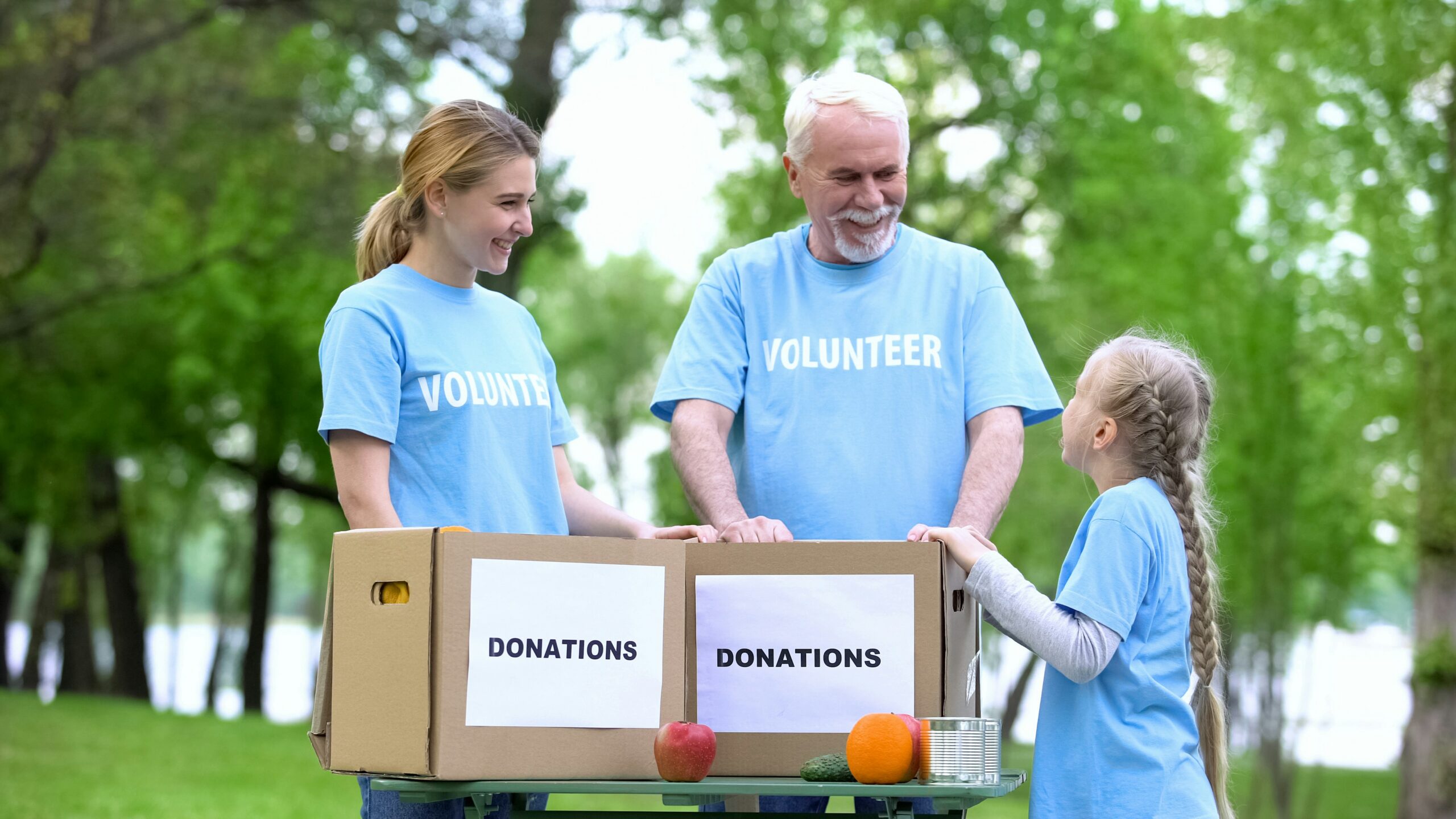
Charitable giving plays an important role in creating stronger, healthier, and more connected communities. When individuals and businesses support local causes, they help address challenges that affect their neighbors. Financial donations, volunteer efforts, and contributions of essential resources create opportunities for people facing difficult circumstances. These actions also encourage a culture of compassion and shared responsibility. Even small contributions can make a meaningful difference when people work together toward common goals.
Local charities often understand the specific challenges within their communities. They work directly with residents and identify areas that require additional support. Through charitable giving, these organizations can expand their services and reach more people. Moreover, supporting local initiatives helps establish lasting relationships among residents, businesses, and nonprofit organizations. These connections create a foundation for sustainable community development and improve the overall quality of life.
Addressing Essential Community Needs
Many families experience difficulties accessing necessities such as food, clothing, and housing. Local charitable organizations help address these challenges by providing essential resources to those in need. Donations allow food banks, shelters, and community assistance programs to continue their operations. As a result, vulnerable residents receive practical support during challenging periods. These services can help families regain stability and focus on improving their circumstances.
Furthermore, charitable giving helps organizations respond to unexpected emergencies. Financial hardships, natural disasters, and personal crises can leave individuals without adequate resources. Local charities often provide immediate assistance because they understand their communities and maintain established support networks. Consistent contributions help these organizations remain prepared for changing needs. By supporting essential services, donors contribute to a more secure environment where residents can access help when necessary.
Expanding Educational Opportunities for Young People
Education provides children and young adults with opportunities to build successful futures. However, financial limitations can prevent some students from accessing valuable learning resources. Charitable contributions help support educational programs, provide school supplies, and fund scholarships. These efforts reduce barriers that may otherwise limit academic achievement. With appropriate resources, students can develop their abilities and pursue meaningful educational goals.
Local donations also support after-school activities and mentoring programs. These initiatives provide safe spaces where young people can receive guidance, explore interests, and strengthen their confidence. Experienced volunteers can share practical knowledge and encourage students to overcome challenges. Additionally, educational support benefits the wider community by helping young people develop valuable skills. When communities invest in education, they create opportunities for future generations to contribute positively to society.
Supporting Better Health and Community Well-Being
Access to healthcare remains an important factor in maintaining community well-being. Charitable organizations often help individuals who face financial or practical barriers to essential health services. Donations can support community clinics, health awareness programs, and preventive care initiatives. These services help residents understand their health needs and access appropriate professional assistance. Consequently, charitable giving can contribute to healthier communities.
Mental and emotional well-being also benefit from charitable support. Local organizations may offer counseling resources, support groups, and recreational activities that encourage positive social interactions. These programs can help reduce isolation and provide meaningful connections for individuals experiencing difficulties. Furthermore, charitable contributions allow organizations to improve existing services and reach underserved populations. Supporting community health initiatives demonstrates that every resident deserves opportunities to maintain their physical and emotional well-being.
Building Stronger Relationships Among Residents
Charitable activities bring people together through shared interests and meaningful objectives. Residents who participate in fundraising events or community projects often develop connections with individuals they might not otherwise meet. These interactions encourage understanding and create opportunities for collaboration. People begin to recognize common concerns and discover how their combined efforts can address local challenges.
Stronger relationships also encourage greater trust within neighborhoods. When residents regularly support one another, they develop a deeper sense of belonging. This connection can motivate people to become more involved in community activities and assist neighbors during difficult situations. Moreover, charitable initiatives provide opportunities for individuals from different backgrounds to work together respectfully. These shared experiences help create welcoming environments where residents feel valued and connected to their communities.
Encouraging Local Economic Development
Charitable giving can contribute to economic development by supporting programs that help residents improve their financial circumstances. Local organizations may provide career training, employment assistance, and financial education. These services help individuals develop practical skills and explore new opportunities. As residents gain greater financial stability, they may become better equipped to support their families and participate in the local economy.
Businesses can also strengthen their community relationships through charitable involvement. Supporting nonprofit organizations demonstrates a commitment to local well-being beyond commercial interests. Additionally, partnerships between businesses and charities can provide valuable resources for community projects. These partnerships encourage collaboration and help address local challenges more effectively. Over time, charitable investments can support economic participation, encourage community improvement, and create opportunities for sustainable growth.
Improving Public Spaces and Community Facilities
Well-maintained public spaces contribute to a higher quality of life. Parks, libraries, recreational centers, and community gardens provide places where residents can gather, exercise, and participate in educational activities. Charitable contributions can help fund improvements and support the maintenance of these shared facilities. Such investments create more accessible and enjoyable environments for people of different ages and backgrounds.
Community improvement projects also encourage residents to take pride in their surroundings. Volunteer activities involving neighborhood cleanups or garden maintenance allow individuals to contribute directly to local development. These experiences strengthen shared responsibility and encourage people to respect public resources. Furthermore, attractive and functional community spaces provide opportunities for social interaction. By supporting these initiatives, charitable donors help create neighborhoods where residents can enjoy meaningful experiences together.
Inspiring a Culture of Generosity
Generosity often encourages others to become more involved in charitable activities. When residents observe the positive results of community support, they may feel motivated to contribute in their own ways. Parents who participate in charitable initiatives can also teach children important lessons about kindness and social responsibility. These experiences help younger generations understand the value of supporting people beyond their immediate social circles.
A culture of generosity does not require everyone to make large financial donations. Individuals can contribute according to their abilities and available resources. Sharing time, offering professional knowledge, or assisting with community events can provide meaningful support. Moreover, consistent participation helps charitable organizations maintain their services throughout the year. When generosity becomes a familiar part of community life, residents develop stronger connections and a greater willingness to address shared concerns.
Creating Lasting Change Through Consistent Giving
Long-term community improvement requires reliable support rather than occasional assistance alone. Regular charitable contributions help organizations plan their activities and maintain essential programs. Predictable resources allow nonprofit leaders to identify priorities and develop practical solutions. This stability can help organizations address underlying challenges instead of focusing entirely on immediate needs. Therefore, consistent giving plays an important role in sustainable community development.
Ultimately, charitable giving strengthens local communities by connecting people with opportunities to make meaningful contributions. It supports essential services, expands educational access, encourages economic participation, and builds stronger relationships. Every thoughtful contribution can help improve the experiences of others. By choosing trustworthy organizations and supporting causes that address genuine local needs, individuals can maximize the positive impact of their generosity. Communities become stronger when residents recognize their shared responsibilities and work together to create a more supportive, inclusive, and prosperous future.