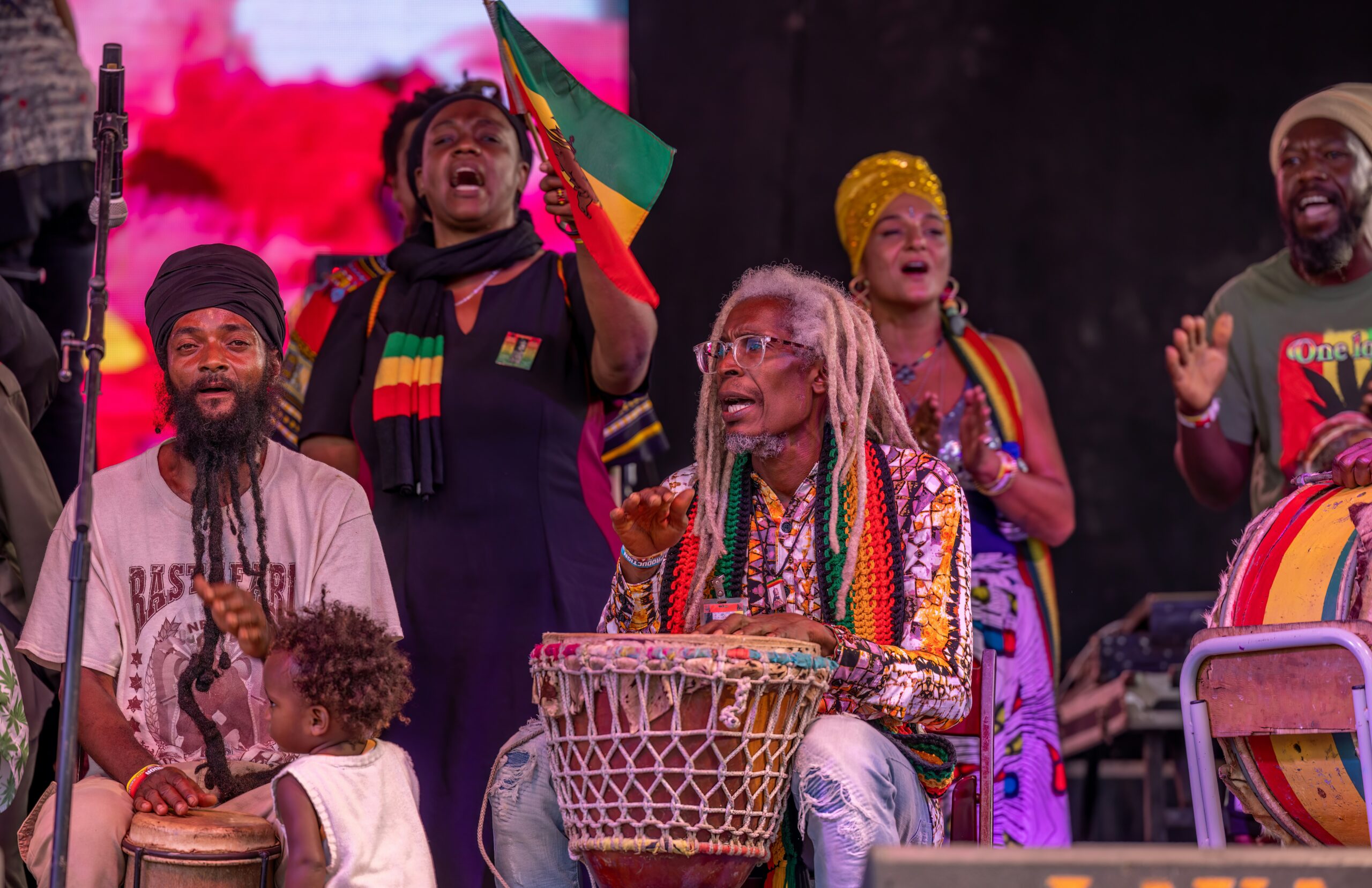
Music has connected people for thousands of years. Every society has created songs, rhythms, and performances that express its beliefs, history, and identity. While styles change over time, the purpose of music remains remarkably similar. It brings families together, marks important events, and preserves stories that deserve to live on. Today, Different Cultures Celebrate Music in ways that honor the past while welcoming the future.
As communities continue sharing musical traditions with younger generations, they create lasting connections that strengthen cultural identity and inspire pride. Moreover, these traditions remind people that music carries memories, emotions, and values that deserve careful protection. Although technology continues to shape the modern world, communities still recognize the importance of preserving the sounds that define their heritage.
Music Becomes the Voice of Cultural Identity
Every culture develops musical traditions that reflect its history and values. Songs often describe important historical events, community achievements, family experiences, and spiritual beliefs. Because of this, music becomes much more than entertainment. Instead, it becomes a living record that helps people understand where they came from and why their traditions matter.
Communities also use music to express emotions that words sometimes cannot explain. During celebrations and ceremonies, familiar melodies create feelings of comfort and belonging. Consequently, people develop stronger emotional connections with their cultural heritage. As children hear these songs throughout their lives, they naturally begin appreciating the traditions that shaped earlier generations.
Families Pass Musical Traditions Through Everyday Life
Families play one of the most important roles in preserving musical heritage. Parents often sing traditional songs during family gatherings, holidays, and celebrations. Grandparents also introduce younger family members to melodies they learned decades earlier. Therefore, children experience cultural music long before they enter a classroom or attend organized performances.
These family moments create powerful memories that last throughout life. Instead of simply teaching lyrics, older generations explain the meaning behind each song. They share stories about ancestors, community traditions, and important celebrations. As a result, music becomes connected with personal experiences instead of existing as something distant or unfamiliar.
Cultural Celebrations Bring Communities Together
Across the world, communities celebrate music during festivals, religious ceremonies, and seasonal events. These gatherings provide opportunities for musicians, dancers, and storytellers to perform traditions that have survived for generations. At the same time, audiences experience the joy of celebrating their shared identity through familiar sounds and performances.
Children benefit greatly from participating in these events. Rather than watching from the sidelines, they often join family members in singing, dancing, or playing instruments. Consequently, they develop confidence while learning traditions through direct experience. These celebrations strengthen community relationships and encourage every generation to contribute to cultural preservation.
Traditional Songs Preserve Local History
Many cultures rely on songs to preserve historical knowledge. Traditional lyrics often describe important battles, migrations, harvests, community victories, and personal sacrifices. Because songs are easier to remember than written records, they help preserve valuable stories for many generations.
Music also teaches important values such as kindness, courage, gratitude, and perseverance. Children learn these lessons naturally while participating in musical traditions. Furthermore, they begin understanding how previous generations overcame challenges and celebrated achievements. In this way, songs become educational tools that continue shaping community identity.
Traditional Instruments Reflect Cultural Heritage
Musical instruments often represent the creativity and craftsmanship of a community. Every culture develops instruments that reflect local materials, artistic traditions, and musical preferences. Their distinctive sounds immediately remind listeners of specific places and cultural experiences.
Skilled artisans continue building these instruments using methods passed from one generation to another. Meanwhile, experienced musicians teach younger performers how to produce authentic sounds and proper techniques. This partnership protects both musical performance and traditional craftsmanship. As communities continue supporting these skills, they preserve an important part of their cultural heritage.
Dance and Music Create Meaningful Experiences
Music and dance frequently work together during cultural celebrations. Rhythmic movement helps performers express stories, beliefs, and emotions in visually engaging ways. Therefore, many communities consider dance an essential companion to traditional music rather than a separate art form.
Shared performances also strengthen community relationships. Families, neighbors, and visitors participate together while celebrating important occasions. Moreover, these joyful experiences encourage cooperation and mutual respect. Every performance reminds participants that cultural traditions become stronger when communities celebrate together.
Schools Help Protect Musical Heritage
Education provides another important path for preserving traditional music. Many schools introduce students to local songs, regional instruments, and cultural performance styles. Through these lessons, young people develop appreciation for the artistic traditions that define their communities.
Teachers often invite local musicians to demonstrate authentic performances and explain their historical significance. Students gain practical knowledge while hearing personal stories from experienced artists. Consequently, education extends beyond textbooks and creates meaningful connections between students and their cultural heritage.
Religious Traditions Strengthen Musical Customs
Religious ceremonies often preserve some of the world’s oldest musical traditions. Sacred songs, chants, and instrumental performances continue serving important roles during worship and community gatherings. These musical expressions strengthen both spiritual life and cultural identity.
Children naturally become involved by attending religious celebrations with their families. Over time, they learn traditional melodies, ceremonial practices, and the deeper meaning behind every performance. Therefore, religious institutions continue playing an important role in protecting musical heritage across generations.
Storytelling and Music Work Together
Many cultures combine storytelling with music to preserve history and entertain audiences. Skilled storytellers use melodies and rhythms to make important lessons easier to remember. Because music adds emotion and structure, listeners remain engaged throughout each performance.
Young audiences especially benefit from this tradition. They hear stories about heroes, ancestors, and community values while enjoying memorable musical performances. As these stories continue passing from one generation to another, cultural knowledge remains vibrant and relevant.